Introduction
Grand Canyon-Parashant National Monument protects a vast, remote landscape on the northwestern edge of the Grand Canyon. The monument is jointly managed by the National Park Service and the Bureau of Land Management, and it preserves rugged canyon country, volcanic features, desert basins, ponderosa pine highlands, archeological sites, historic ranching and mining landscapes, and some of the darkest night skies in the region.
Parashant is not a quick roadside stop. There are no paved roads, no developed visitor facilities inside the monument, very limited services nearby, and little to no cell service across most of the backcountry. That remoteness is exactly what makes the area special, but visitors need a high-clearance vehicle, careful route planning, water, food, recovery gear, and a realistic understanding of road and weather conditions.
Scenic Drives and Viewpoints
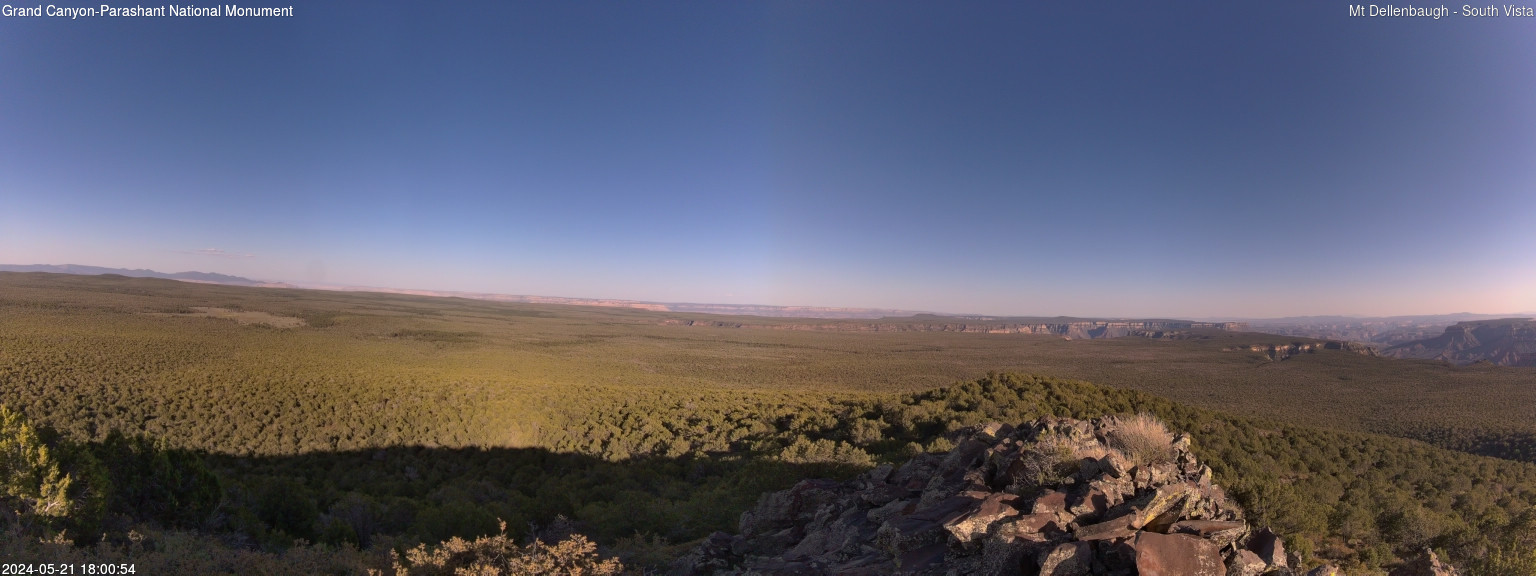
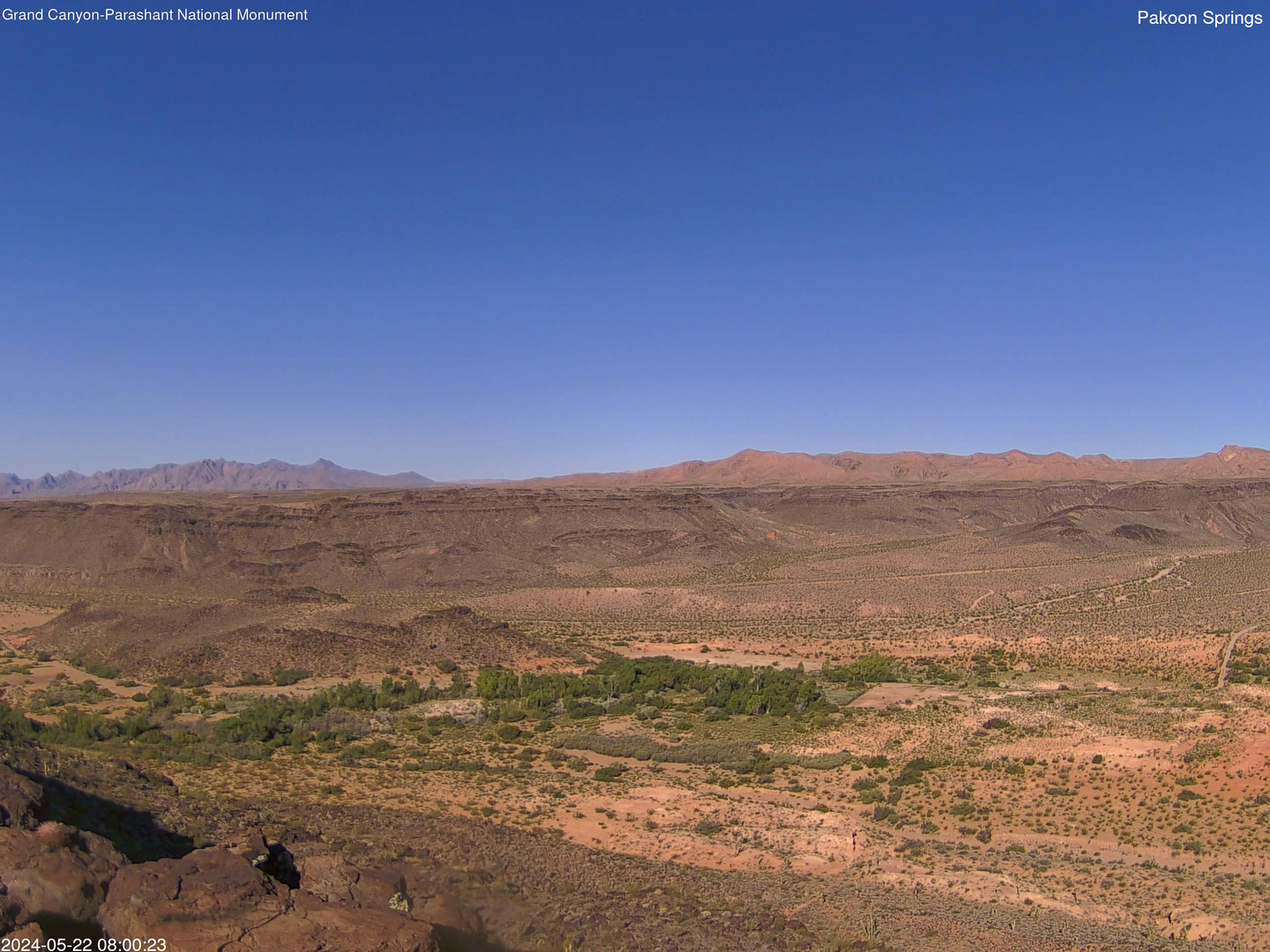
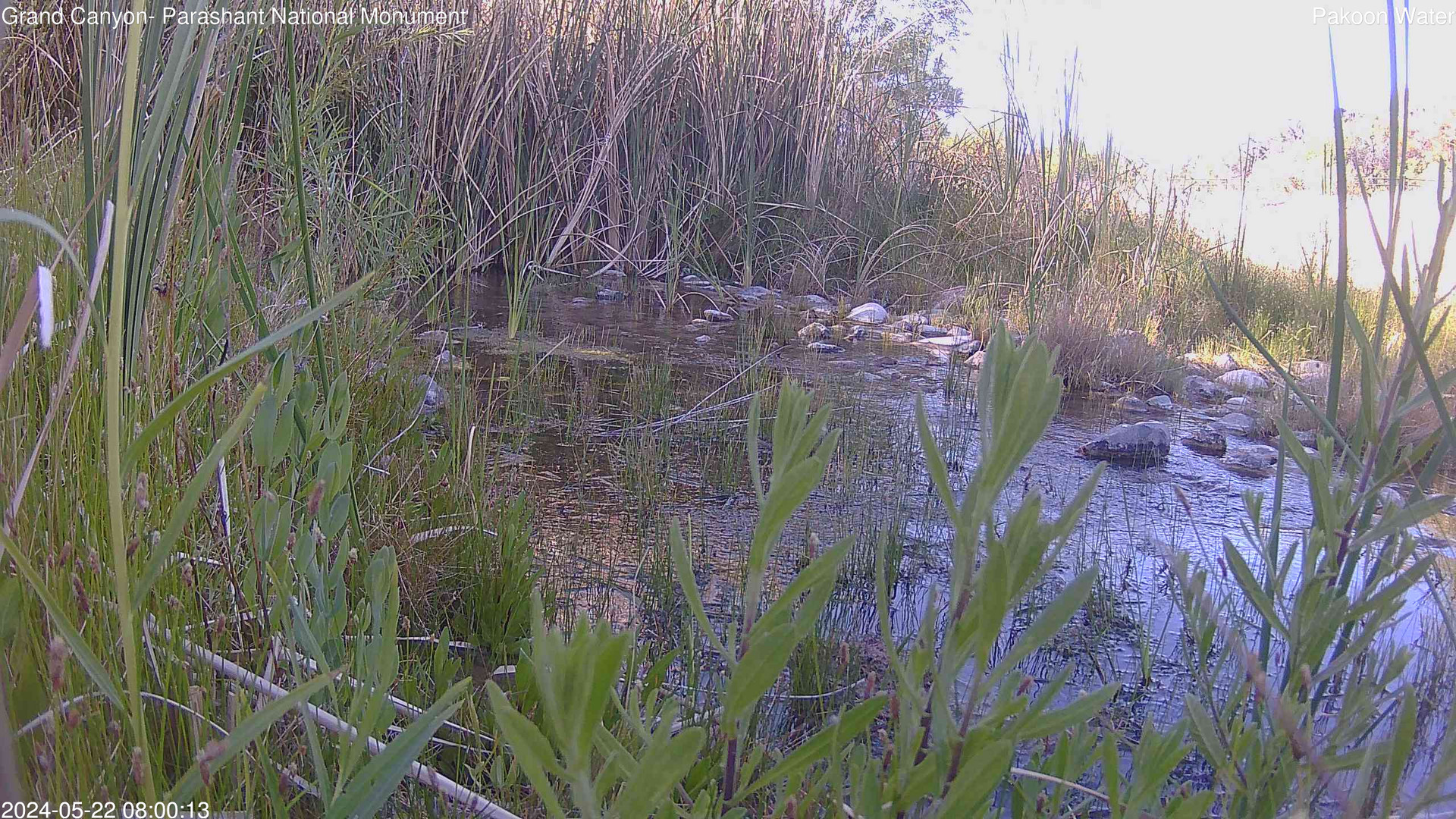
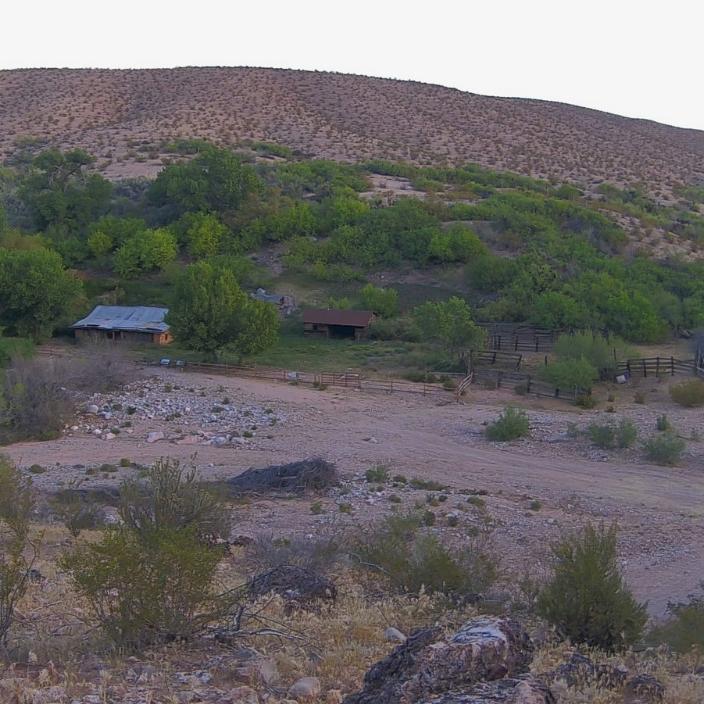
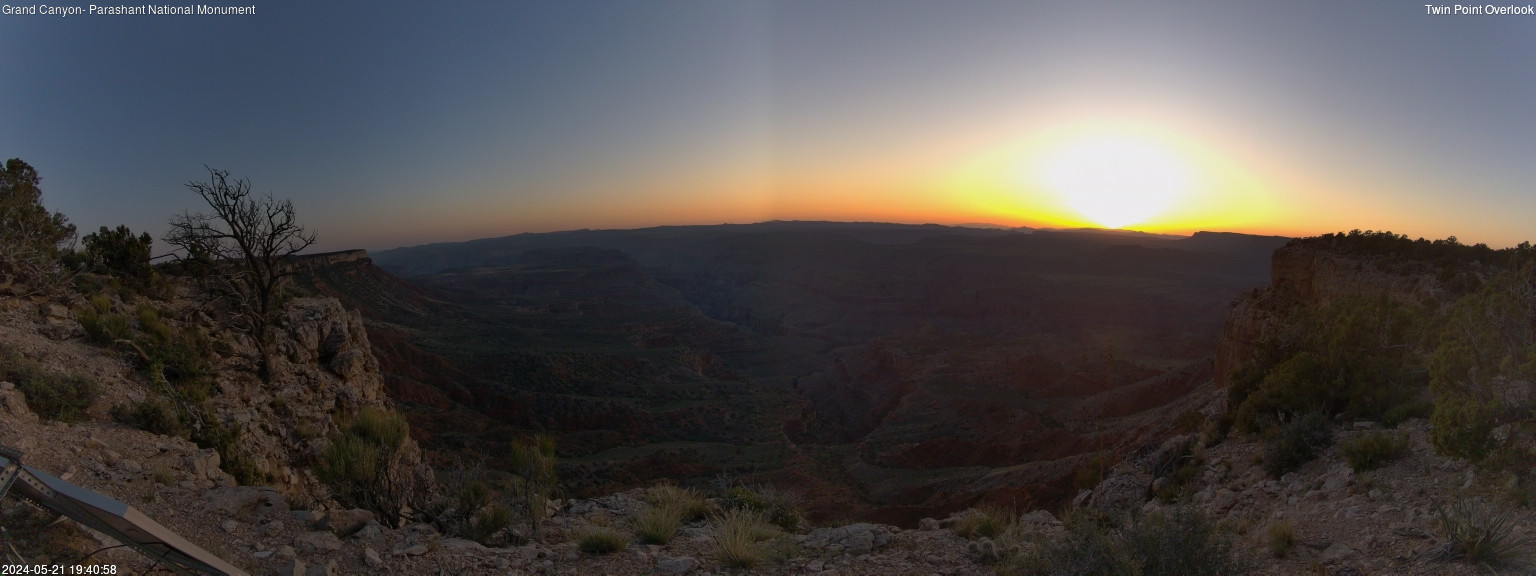
Parashant is best known for hundreds of miles of backcountry roads leading to remote viewpoints, historic sites, springs, and canyon country. Popular routes and destinations include the Mt. Trumbull Scenic Loop, Twin Point Scenic Grand Canyon Overlook, Pakoon Springs and Tassi Ranch, Grand Gulch Mine, Whitmore Canyon Overlook, Tweeds Point, Kelly Point, Snap Point, and the Parashant Canyon route toward Copper Mountain Mine.
Road conditions vary widely. Some routes are usually suitable for high-clearance four-wheel-drive vehicles, while others require very high clearance 4x4s or UTVs. Rain, snow, ice, deep sand, sharp rock, clay mud, and washed-out crossings can quickly change what is passable. Visitors should read the NPS road descriptions and safety guidance before choosing a route.
Camping
There are no designated campgrounds in Grand Canyon-Parashant National Monument. Backcountry camping is dispersed and requires careful site selection to protect fragile desert and mountain ecosystems. Campers should use durable surfaces, stay out of washes and drainages, avoid cryptobiotic soil crusts, follow fire restrictions, and bring enough water and supplies to be fully self-contained.
Dark Skies
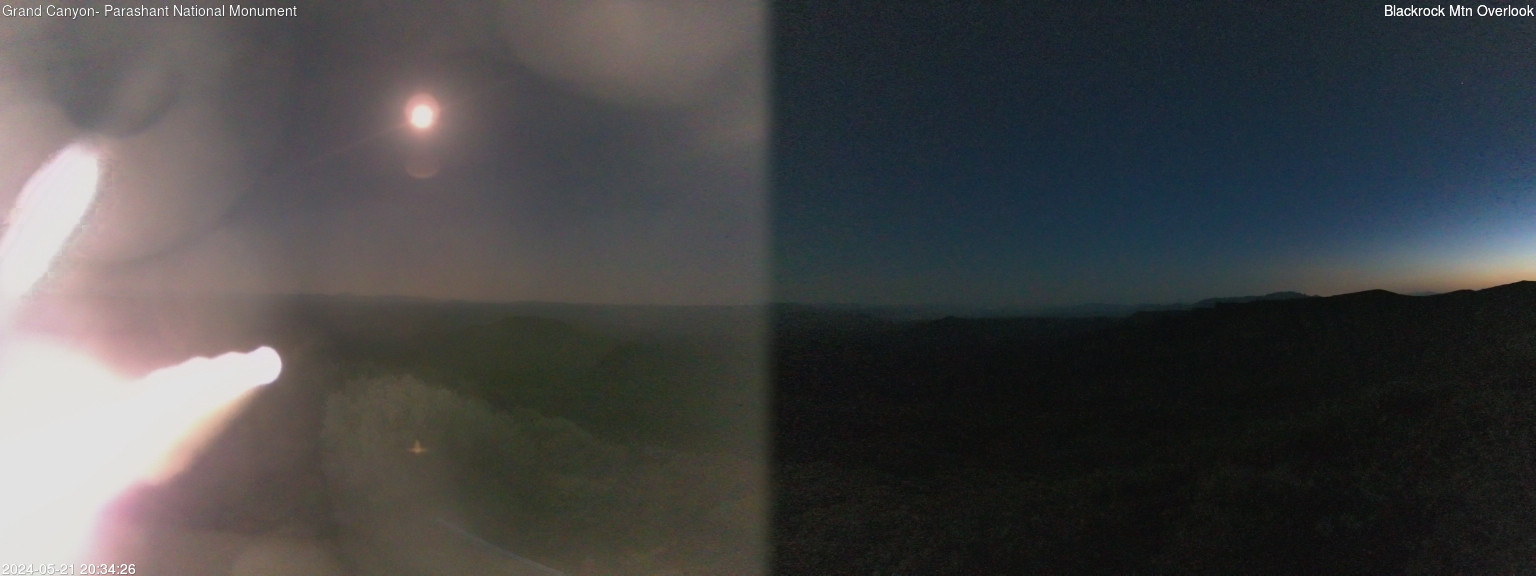
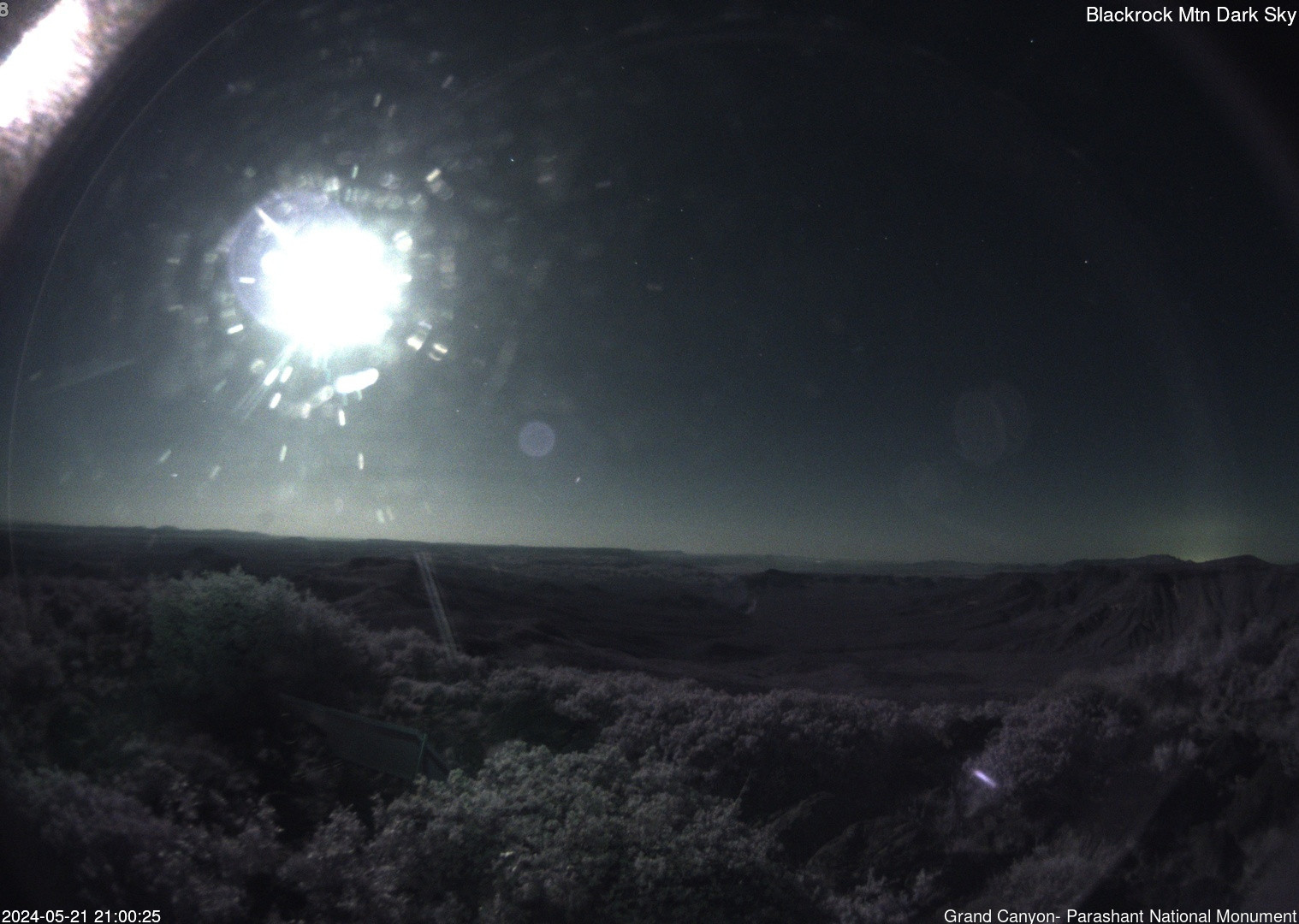
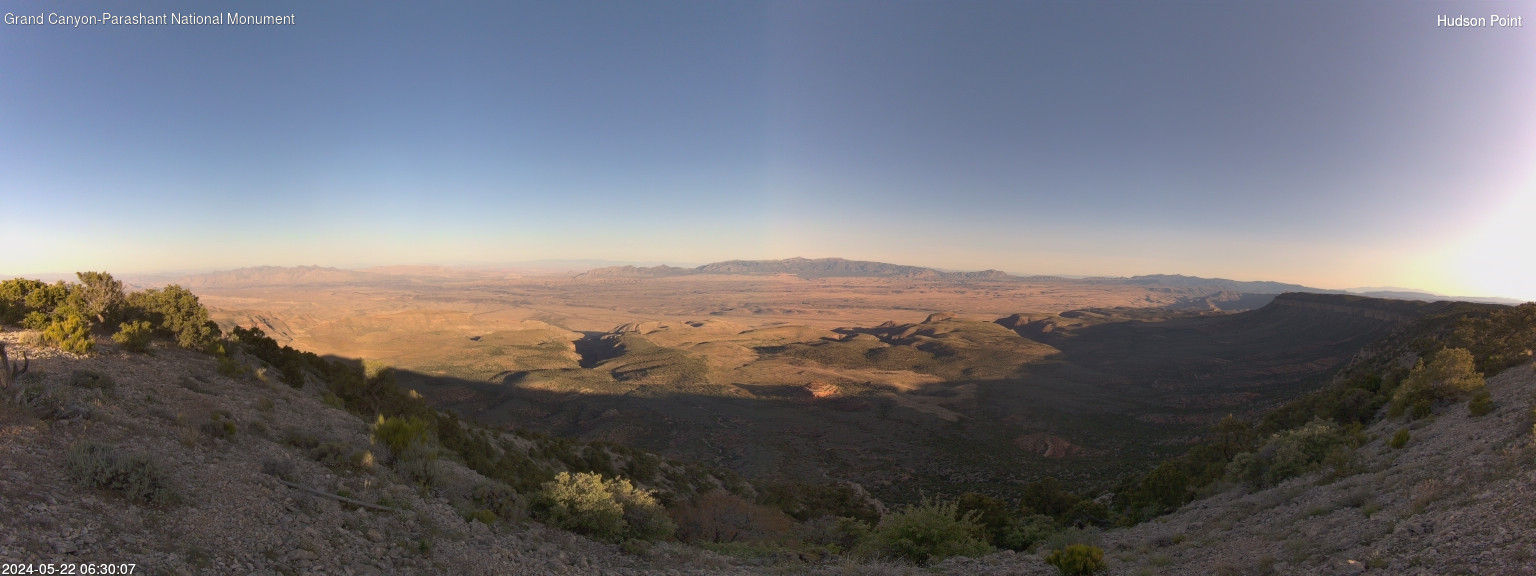
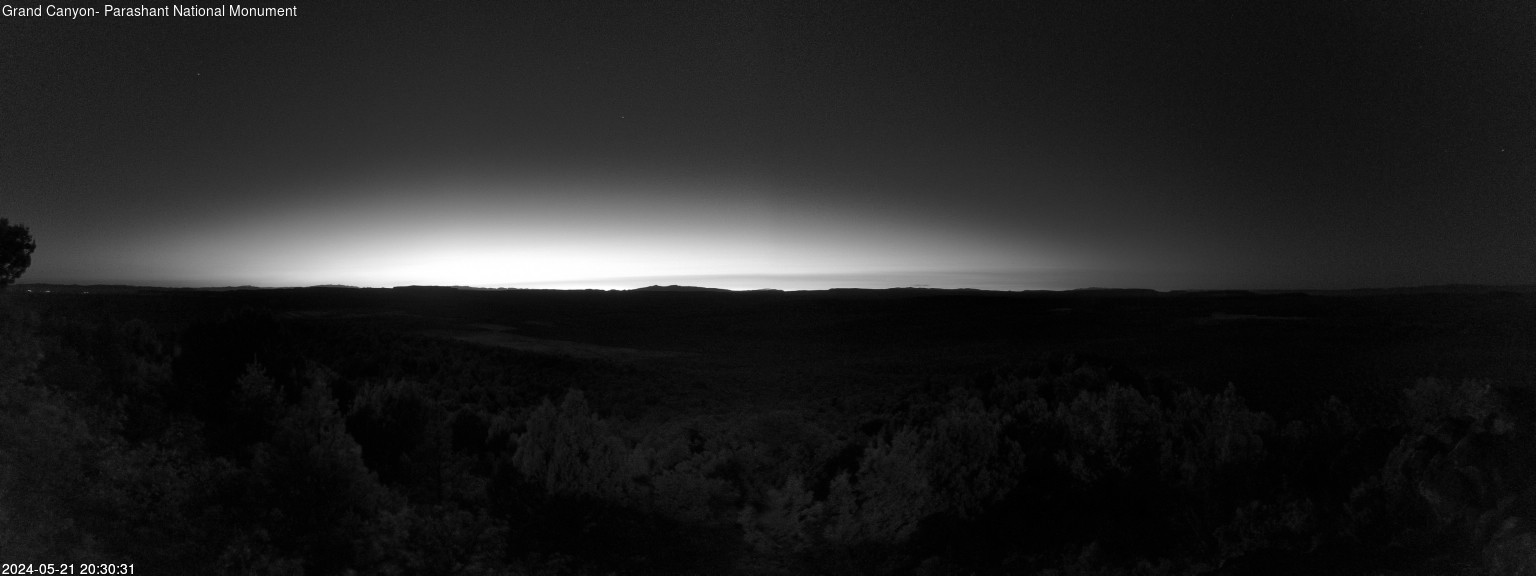
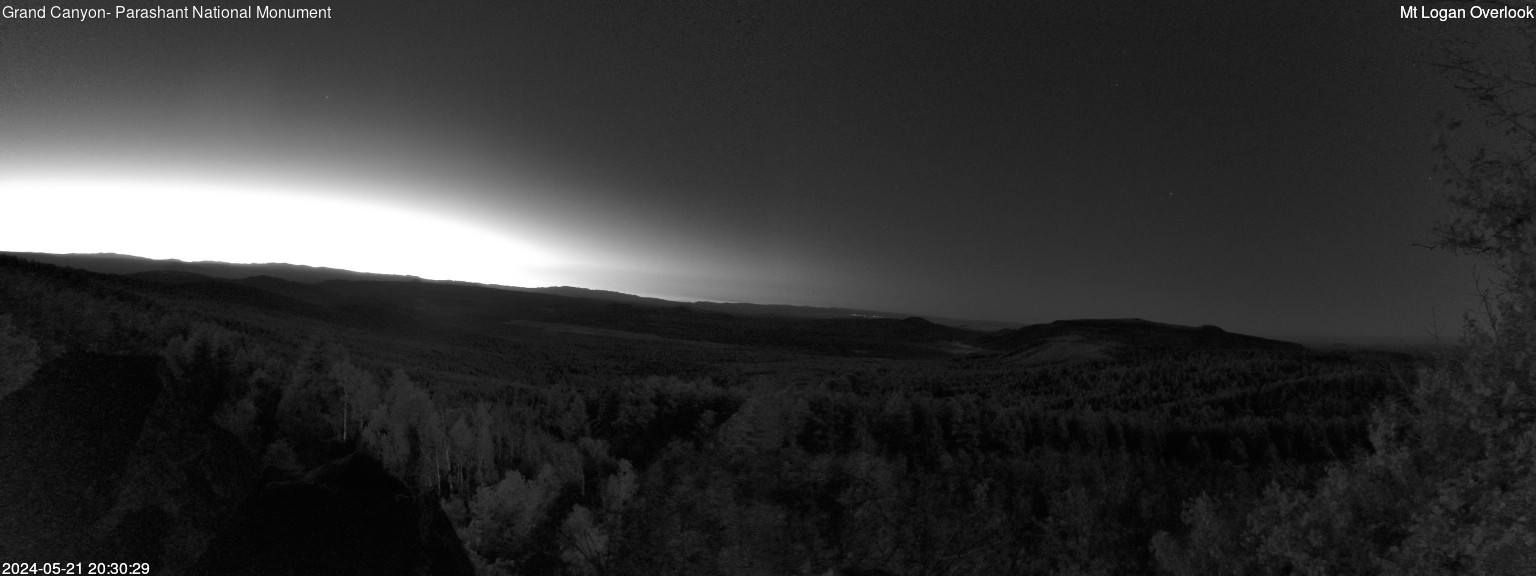
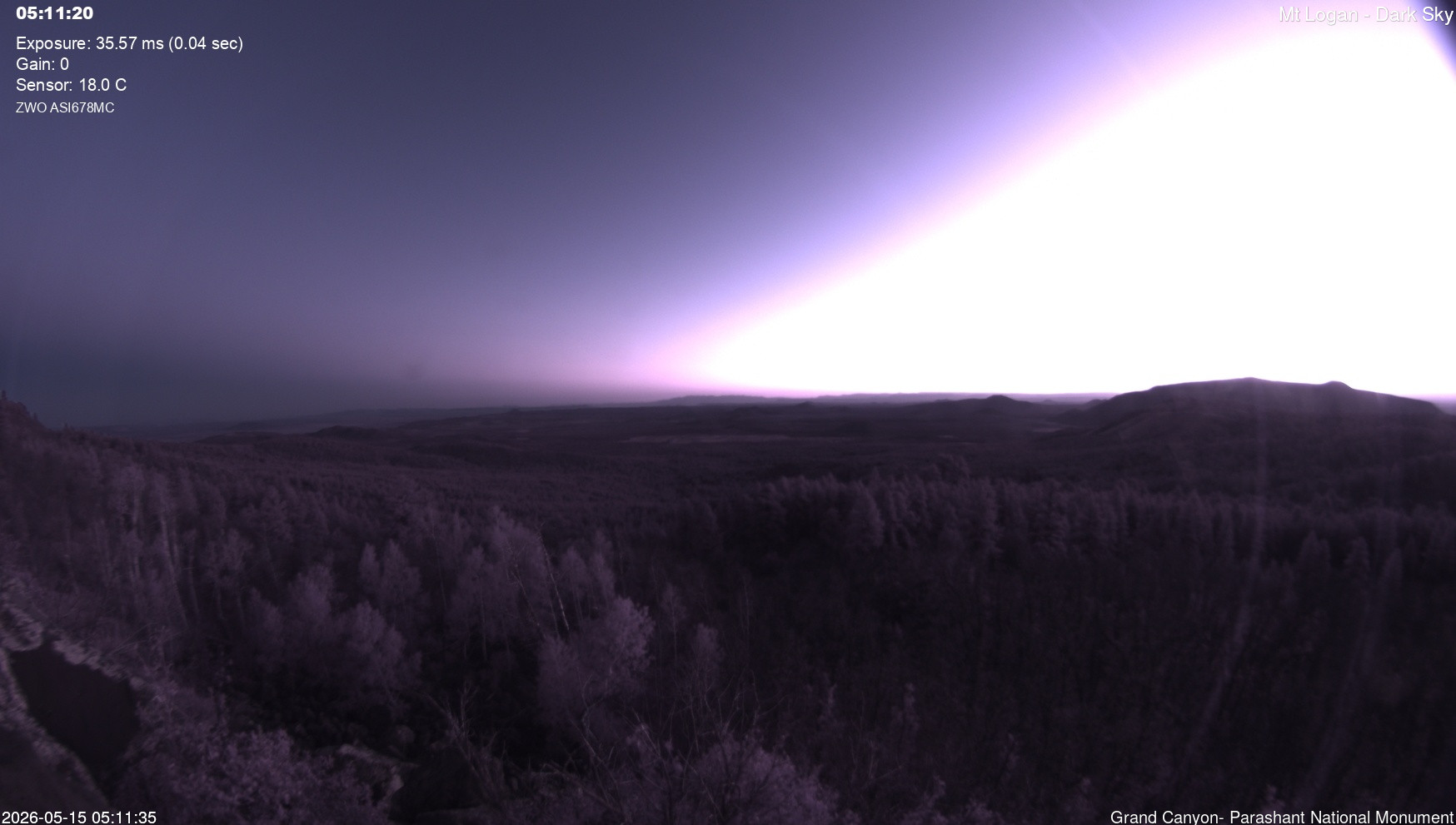
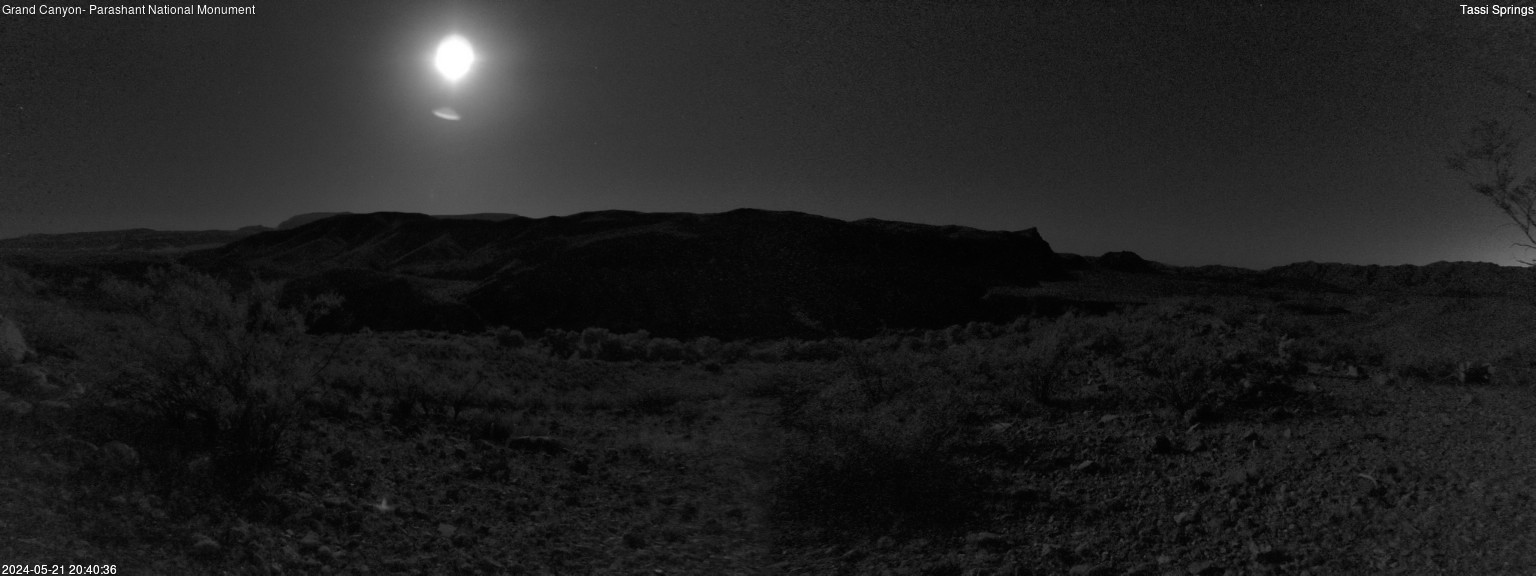
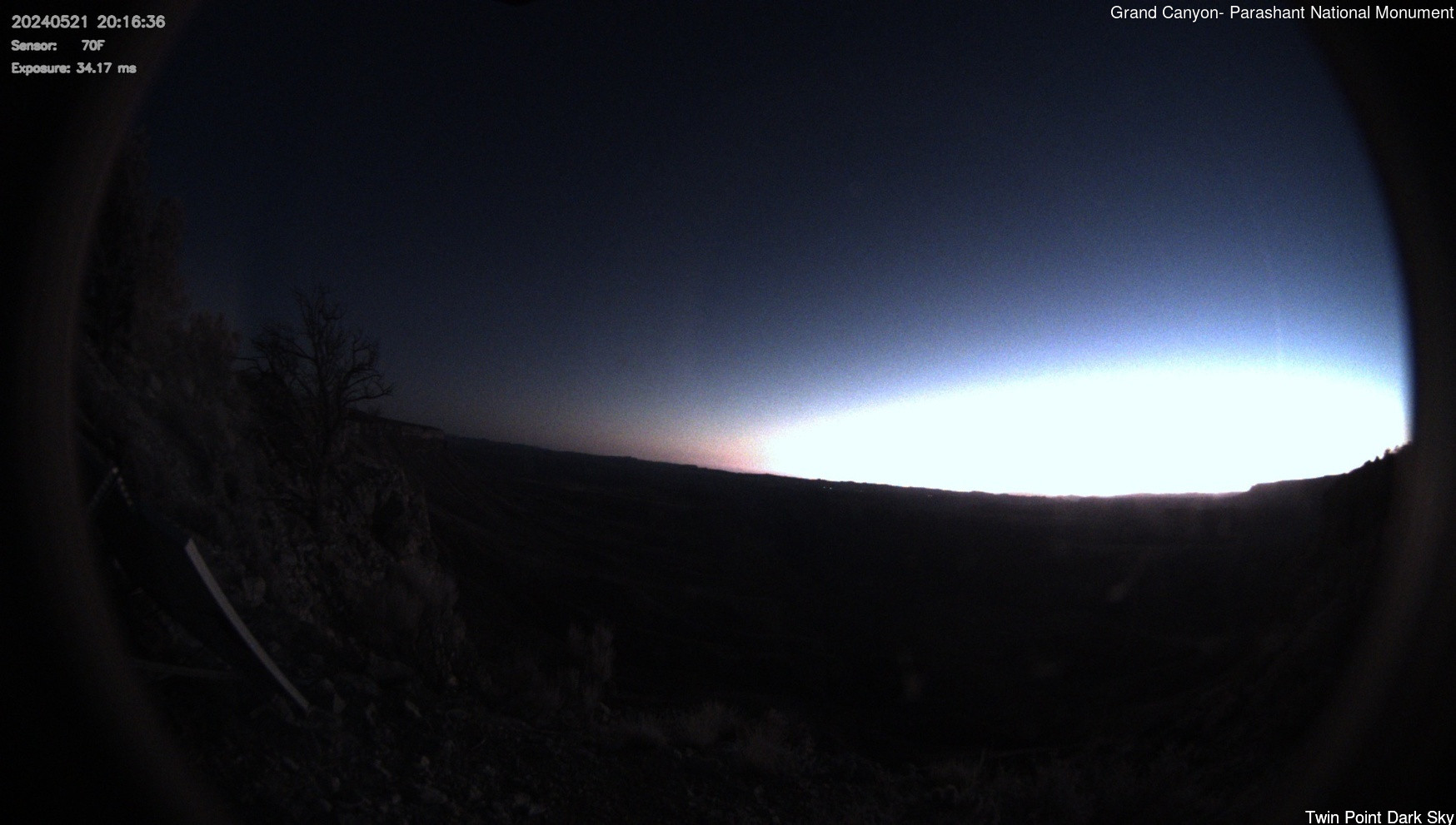
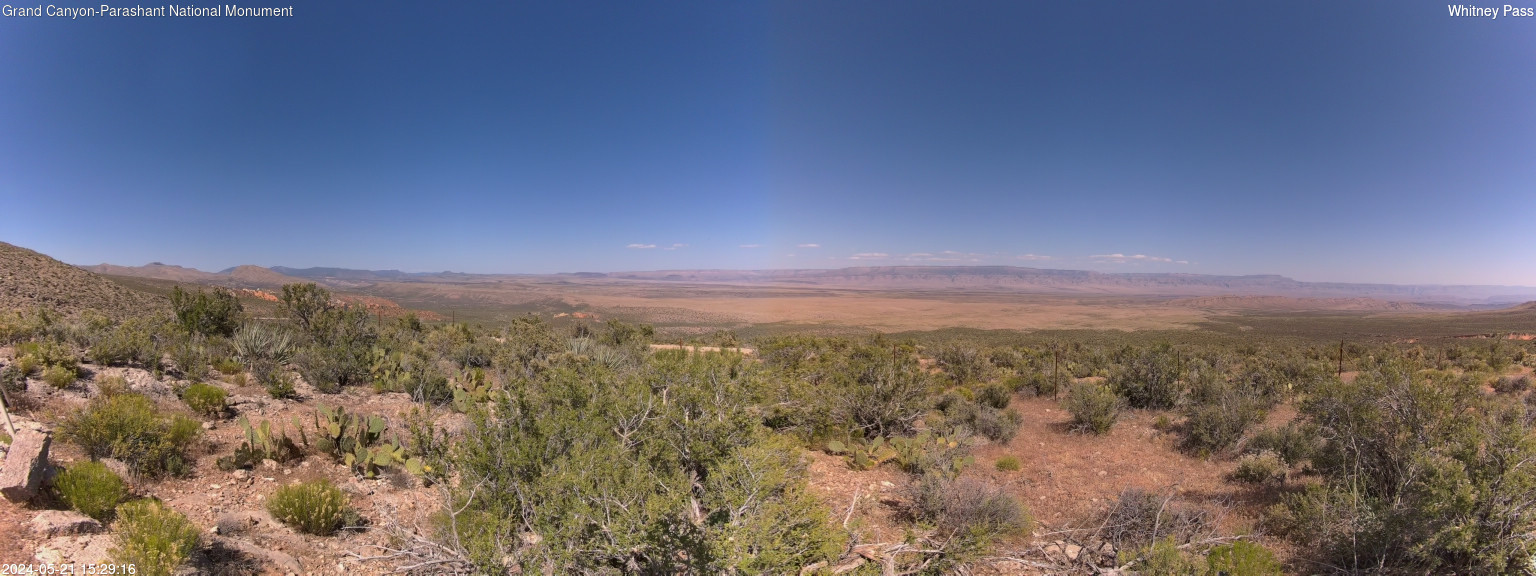
Parashant's isolation makes it one of the best places in the region for dark sky viewing. On clear moonless nights, the monument offers wide-open views of the Milky Way and a night sky that is difficult to experience near cities. Several NPS webcams also include dark-sky views, making the page useful even for visitors who are not able to reach the monument in person.
Safety
Grand Canyon-Parashant is one of the most remote public land experiences in the lower 48 states. Visitors should tell someone where they are going, carry a satellite messenger or other emergency communication device, bring extra food and water, and expect rescue to take many hours if something goes wrong. NPS recommends rugged tires, and two spare tires are wise because sharp volcanic and limestone roads can damage sidewalls.
Summer heat can be extreme in the lower desert areas, while winter roads above 5,000 feet may become impassible with snow, ice, or mud. Monsoon storms can arrive quickly from June through September and can turn washes and clay roads dangerous. Never camp or park in a dry wash.
Weather
Weather varies dramatically with elevation. Pakoon and Tassi areas can be hot and dry, while Black Rock Mountain, Mount Logan, and other high-elevation locations may be cooler, windy, snowy, or muddy. The live weather panel on this page is a general planning aid, but visitors should also check current NPS alerts, forecasts, and road guidance before driving into the monument.