
Introduction
Cairngorms National Park is the largest national park in the United Kingdom, protecting a broad area of the Scottish Highlands with mountains, high plateaux, Caledonian pinewoods, rivers, lochs, villages, wildlife habitats, and working landscapes.
For broader background on the park's geography, protected status, communities, and wildlife, see the Cairngorms National Park Wikipedia page.
The official Cairngorms National Park site highlights local paths and trails, ranger services, responsible access, wildlife, and visitor planning. The Visit Cairngorms webcam page notes that webcams across the park help visitors check weather, snow, wildlife, road, and general conditions before heading out.
Top Hikes
These three hikes are good starting points for planning, with at least one more difficult option. Distances and elevation gain are rounded; check the official park trail page for current closures, permits, weather, and trail conditions.
Loch an Eilein (easy) - 4.25 miles (7.0 km); elevation gain 230 feet (70 m). A popular Rothiemurchus forest and loch circuit with castle views and good lower-level conditions.
An Lochan Uaine and Ryvoan (moderate) - 6.25 miles (10.0 km); elevation gain 472 feet (144 m). A Glenmore forest route to the Green Lochan and Ryvoan bothy with mountain views.
Ben Macdui and Cairn Gorm (difficult) - 11.0 miles (17.5 km); elevation gain 3,058 feet (932 m). A serious high-plateau Munro route where exposure, weather, snow, and navigation demand strong preparation.
Mountain Weather and Webcams
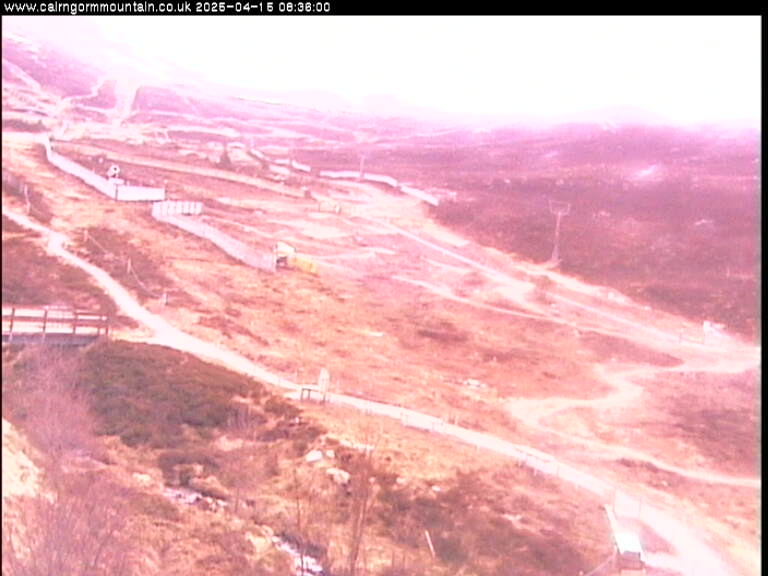
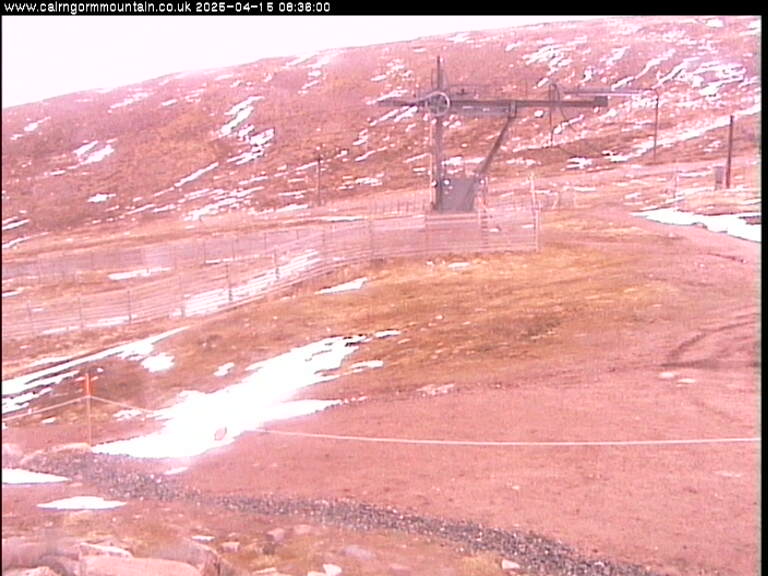
The webcam cards include Cairngorm Mountain camera images. The Cairngorm Mountain provider says webcam images update regularly, but individual cameras may lag, freeze, or be affected by weather, maintenance, or seasonal mountain operations. Open the official Cairngorm Mountain webcam page if a camera image looks stale.
The upper mountain views are useful for checking cloud, snow patches, wind exposure, and visibility around the Cairngorm plateau. Loch Morlich and lower-slope views give better context for Glenmore, forest, road, and lower-level conditions.
Responsible Access and Camping
Scotland's access rights come with responsibilities. The official need-to-know page points visitors to the Scottish Outdoor Access Code: respect the interests of others, care for the environment, and take responsibility for your own actions.
The official camping page says wild camping is allowed in the National Park if done responsibly: small tents, small numbers, only two or three nights in one place, remove all litter and traces of the pitch, avoid pollution, and cook on a stove rather than lighting campfires. Campervan and motorhome overnight stays are not covered by access rights, so use official guidance and local signs.