Introduction
Cape Breton Highlands National Park protects highland plateau, ocean cliffs, boreal forest, river valleys, beaches, and dramatic viewpoints along northern Cape Breton Island in Nova Scotia. The Cabot Trail passes through the park and is one of the best-known scenic drives in Atlantic Canada.
For a broader overview of the park's history and geography, see the Cape Breton Highlands National Park Wikipedia page.
Visitors should check Parks Canada alerts, trail conditions, campground information, and coastal weather before traveling. Fog, wind, rain, snow, and road conditions can change quickly along the Cabot Trail.
Top Hikes
These three hikes are good starting points for planning, with at least one more difficult option. Distances and elevation gain are rounded; check the official park trail page for current closures, permits, weather, and trail conditions.
Skyline Trail (moderate) - 4.1 miles (6.5 km); elevation gain 377 feet (115 m). A famous headland trail with Cabot Trail and Gulf of St. Lawrence views.
Middle Head Trail (moderate) - 2.4 miles (3.8 km); elevation gain 213 feet (65 m). A coastal headland walk between Ingonish Beach and North Bay.
Franey Trail (difficult) - 4.6 miles (7.4 km); elevation gain 1,099 feet (335 m). A steep inland climb to one of the park's best high viewpoints.
Cabot Trail
The Cabot Trail is a paved scenic loop around northern Cape Breton Island. Parks Canada says it runs for nearly 300 km, with about one-third of the route, approximately 106 km, inside Cape Breton Highlands National Park. Within the park, the road climbs from coastal villages to highland plateau lookoffs, then drops back toward the Gulf of St. Lawrence and the Atlantic coast.
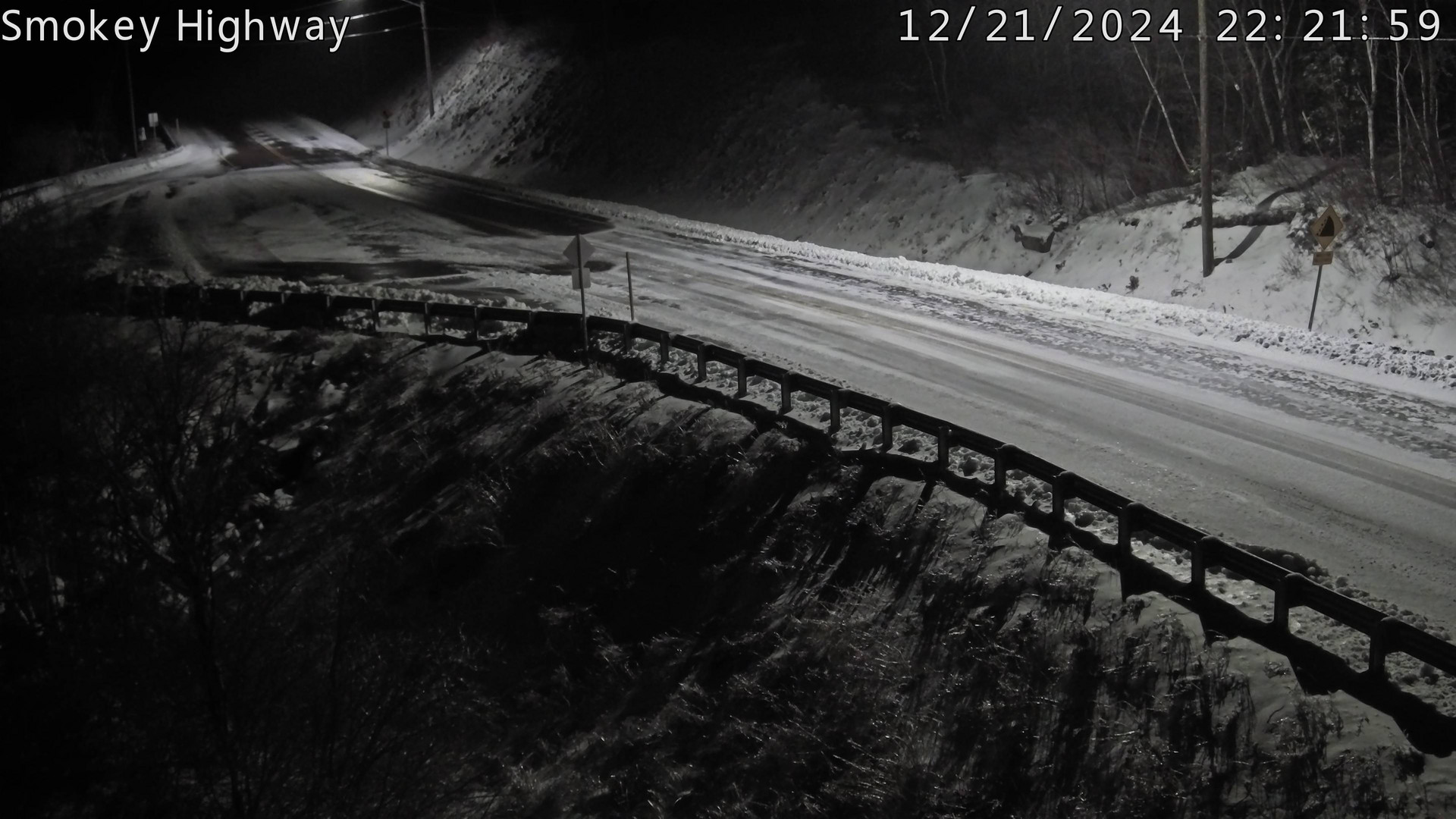
The Parks Canada sightseeing page highlights lookoffs and interpretive stops such as La Bloc, Cap Rouge, Veteran's Monument, Fishing Cove, MacKenzie Mountain, Lone Shieling, North Mountain, Beulach Ban Falls, and Lakie's Head. Parks Canada cycling information also notes several major climbs on or near the route: Smokey Mountain at 366 m / 1,200 ft, North Mountain at 467 m / 1,460 ft, MacKenzie Mountain at 370 m / 1,222 ft, and French Mountain at 452 m / 1,492 ft. Grades on the steepest park climbs can reach 9% to 15%, so drivers, cyclists, and motorcyclists should expect long ascents, sharp turns, and steep descents.
Check Parks Canada and provincial road information before driving, especially outside the summer season. Fog, wind, rain, snow, wildlife, and construction can affect travel on the Cabot Trail, and Parks Canada recommends using a lower gear when descending the mountain sections.
Camping
The Parks Canada camping page has current campground details. Campground links include Chéticamp campground, Broad Cove campground, Ingonish Beach campground, Corney Brook campground, and Fishing Cove backcountry campground. Other park camping areas include Mkwesaqtuk/Cap-Rouge, MacIntosh Brook, and Big Intervale.
Webcam Notes
Feed credit: Trailside Accommodations.