Introduction
Vatnajökull National Park protects one of Europe's largest national parks, centered on the Vatnajökull ice cap and surrounding outlet glaciers, volcanic systems, glacial rivers, black-sand outwash plains, canyons, waterfalls, and coastal glacier lagoons. Visitor areas include Skaftafell, Jökulsárlón, Höfn-area gateways, and highland routes that depend heavily on weather and road conditions.
Vatnajökull National Park is inscribed by UNESCO as Vatnajökull National Park - Dynamic Nature of Fire and Ice, recognized for the interaction of glaciers, active volcanoes, rift zones, glacial floods, and rapidly changing volcanic landscapes in Iceland.
For broader background, see the Vatnajökull National Park Wikipedia page.
Top Hikes
These three hikes are good starting points for planning, with at least one more difficult option. Distances and elevation gain are rounded; check the official park trail page for current closures, permits, weather, and trail conditions.
Skaftafell to Svartifoss (moderate) - 3.5 miles (5.6 km); elevation gain about 460 feet (140 m). A signature Skaftafell hike to the basalt-framed Svartifoss waterfall with good short-route scenery.
Skaftafell to Kristínartindar (difficult) - 11.2 miles (18.0 km); elevation gain about 3,280 feet (1,000 m). A strenuous mountain route above Skaftafell with glacier and coastal views when weather is clear.
Jökulsárlón and Diamond Beach (easy) - 2.0 miles (3.2 km); elevation gain minimal elevation gain. A flexible glacier-lagoon and beach walk for viewing icebergs, seals, and changing coastal conditions near the park edge.
Glaciers, Lagoons, and Volcanic Terrain
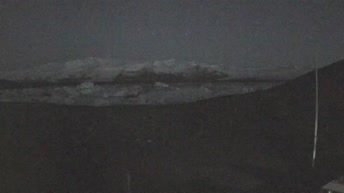
The official webcam page links to Jökulsárlón and other park-area cameras when they are available. The Jökulsárlón card uses Skyline's current camera image because the previous YouTube embed repeated as a loop instead of showing live video.
Safety and Planning
Glaciers, ice caves, rivers, highlands, wind, sand, and winter storms can create serious hazards. Use official park guidance, road.is, local forecasts, and certified guides for glacier or ice-cave travel.