Introduction
Hallasan National Park protects Hallasan, the shield volcano that rises to 1,950 m / 6,398 ft on Jeju Island and is South Korea's highest mountain. The park was designated in 1970 and is part of the Jeju Volcanic Island and Lava Tubes UNESCO World Heritage area. It is managed by Jeju Special Self-Governing Province rather than the Korea National Park Service.
For broader background, see the Hallasan National Park Wikipedia page. For official planning information, use the Official Hallasan National Park page and Hallasan Visit Reservation System.
Top Hikes
Hallasan trails are controlled by season, weather, and cutoff times. Summit access through Seongpanak and Gwaneumsa uses the Hallasan Visit Reservation System, and the official trail pages and real-time trail information should be checked before starting.
Seongpanak Trail to Baengnokdam is the longest summit approach, about 9.6 km / 5.9 mi one way to Baengnokdam, with roughly 1,190 m / 3,900 ft of elevation gain from the trailhead area to the 1,950 m / 6,398 ft summit. It is a demanding full-day hike, and reservations, start-time cutoffs, weather, and descent deadlines matter.
Gwaneumsa Trail to Baengnokdam is the steeper summit approach, about 8.7 km / 5.4 mi one way with roughly 1,220 m / 4,000 ft of elevation gain. It is one of the more difficult Hallasan hikes, with rugged terrain, big elevation change, and strict time controls.
Yeongsil Trail to Witse Oreum and Nambyeok Junction is shorter and scenic, about 5.8 km / 3.6 mi one way to the upper junction area, with about 600 m / 2,000 ft of elevation gain from the Yeongsil trailhead area. It does not reach the summit crater, but it is popular for views, seasonal flowers, and access toward Witse Oreum and the south cliff area.
Camping and Lodging
Most visitors stay in Jeju City, Seogwipo, or nearby trailhead areas and travel to the park early. Gwaneumsa has campground and facility fees listed by the reservation system, while summit routes require advance planning and may require reservations. Confirm parking, campground, and trail status before arrival.
Safety and Reservations
Hallasan weather can change quickly with wind, fog, rain, snow, ice, and low visibility. Bring water, food, layers, rain gear, traction in winter, and a headlamp for early starts. The park lists seasonal entry and descent cutoff times, so missing a cutoff can end a summit attempt.
Webcam Notes
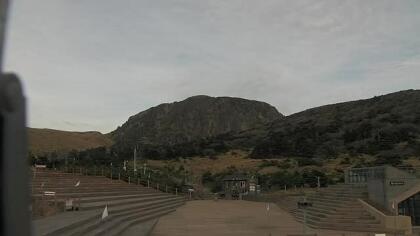
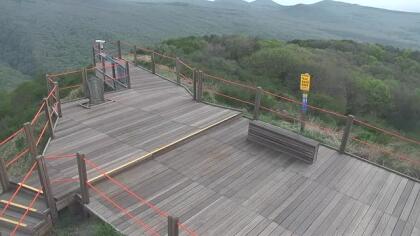
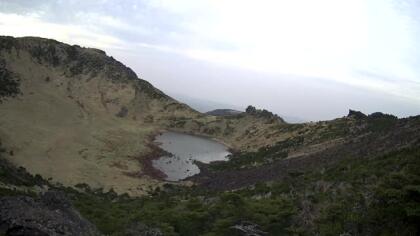
Feed credit: WorldCam and NowJejuPlus. These preview images are included with links to the provider pages because the Hallasan cameras do not expose stable direct embeds. The official Hallasan CCTV page is still linked below for visitors who want to open the park's own camera page directly.