Introduction
Triglav National Park is Slovenia's only national park and protects the high Julian Alps, Lake Bohinj, the Soca Valley, alpine pastures, waterfalls, gorges, forests, and the summit of Mount Triglav. The park is part of the Julian Alps Biosphere Reserve and is one of Europe's classic mountain landscapes.
For broader background on the park's geography, history, and protected status, see the Triglav National Park Wikipedia page.
The official Triglav National Park site asks visitors to choose routes that match their experience and equipment, follow marked trails, respect quiet areas and protected habitats, and check current conditions before entering mountain terrain. Weather can change quickly, especially above Lake Bohinj, around Mount Triglav, and in the high alpine valleys.
Top Hikes
These three hikes are good starting points for planning, with at least one more difficult option. Distances and elevation gain are rounded; check the official park trail page for current closures, permits, weather, and trail conditions.
Around Lake Bohinj (easy) - 6.8 miles (11.0 km); elevation gain 330 feet (100 m). A popular lakeside route that can be shortened by walking only one shore.
Mostnica Gorge (moderate) - 7.5 miles (12.0 km); elevation gain 820 feet (250 m). A scenic Bohinj-area hike through gorge, waterfall, forest, and meadow terrain.
Mount Triglav via Kredarica (very difficult) - 11.8 miles (19.0 km); elevation gain 5,250 feet (1,600 m). Slovenia's iconic high-alpine objective, requiring mountain experience, proper gear, and careful weather planning.
Lake Bohinj and the Julian Alps
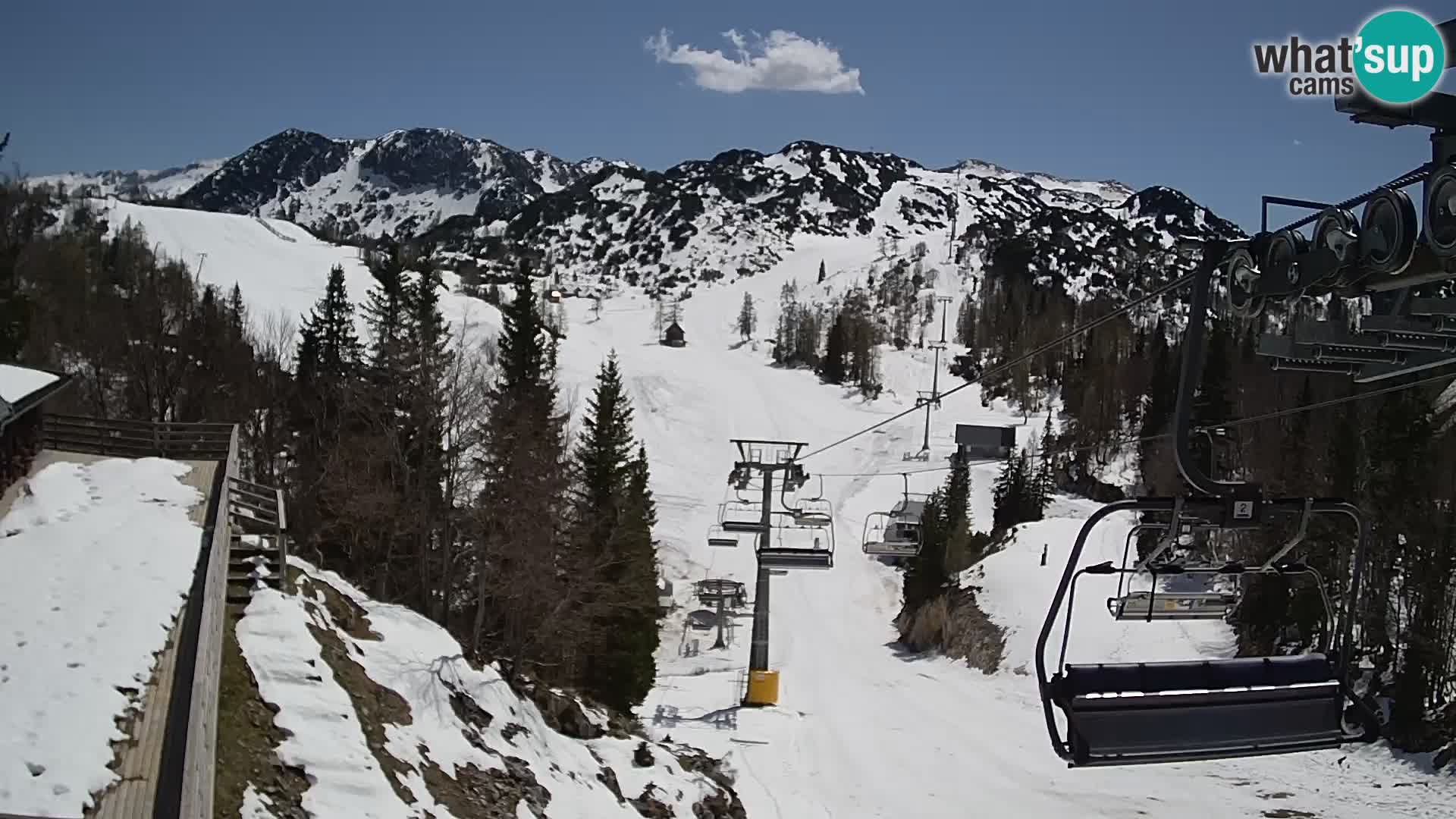
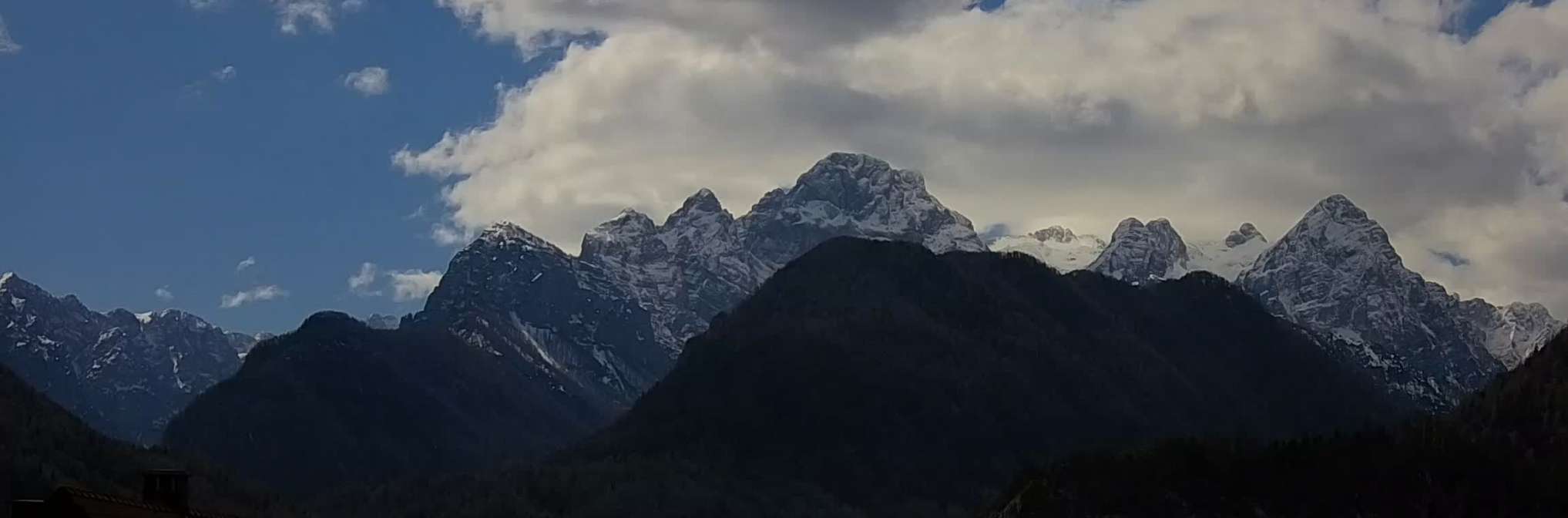
Lake Bohinj is one of the park's signature visitor areas and the official park site lists the route around Lake Bohinj as just over 11 km. Vogel rises above the lake and provides broad views toward the Julian Alps and Mount Triglav. The Vogel and Mojstrana webcam cards are useful for checking cloud cover, snow, and visibility before planning a visit.
Camping, Huts, and Lodging
The official Triglav National Park FAQ says visitors can stay in park huts, the Trenta information centre, mountain outposts, campsites, private rooms, apartments, hotels, and guesthouses. Wild camping and overnight camper parking outside designated areas are restricted, so use the official accommodation, mountain hut, and local tourism links before making plans.
Rules and Current Conditions
Check the official code of conduct, FAQ, mountain safety page, public transport information, and current conditions page before visiting. Important rules include staying on marked trails, respecting sensitive alpine waters, keeping dogs under control, using only permitted biking routes, and checking weather and route status before mountain travel.
Webcam Notes
Feed credit: WhatsUpCams / Vogel and LiveCamCroatia / WhatsUpCams.